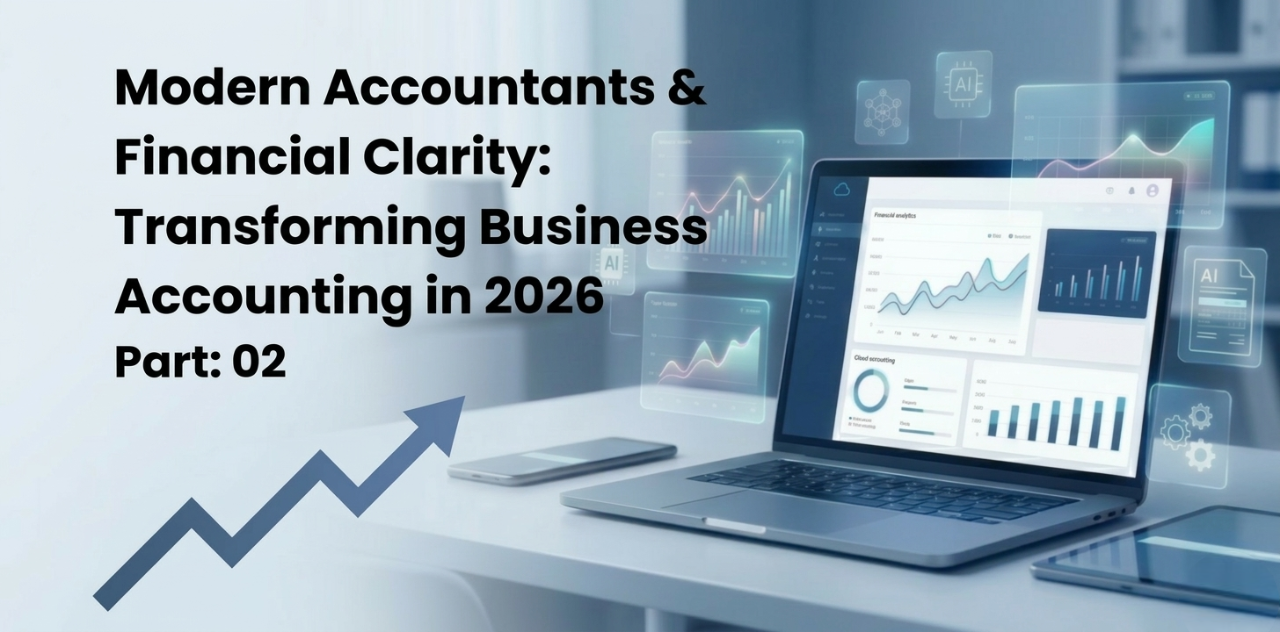
Modern accountants have a proven method: use AI to handle the busy work. This means fewer tax headaches and more time for high-level planning. It’s accounting that helps you grow. After optimising hundreds of business financial operations, we have refined a methodology designed to prevent tax-season chaos while enabling AI-enhanced strategic growth. By implementing cash flow forecasting AI alongside automated transaction categorization, firms can transition from reactive bookkeeping to proactive leadership. This approach defines modern accounting: a system designed to move from manual data entry to high-level strategic oversight.
Step 1: The Weekly “Money Date” (30 Minutes)
Schedule a non-negotiable weekly appointment with your books. Friday afternoons are optimal for prioritising pattern recognition. Treat this time like a vital board meeting; this discipline is the heartbeat of modern accountants.
Your Weekly AI-Enhanced Checklist:
- Review anomalies flagged by continuous AI monitoring.
- Automated transaction categorization: Leverage AI pre-categorisation to reduce your time spent by 70%.
- Reconcile bank and credit card accounts, letting automated transaction categorization handle 90% of the work.
- OCR for receipt management: Upload receipts using OCR for receipt management to automatically extract data.
- Review aging receivables alongside virtual cfo services AI probability scores.
Why Weekly Dominates:
While automated transaction categorization catches errors, a weekly rhythm balances efficiency. Using OCR for receipt management ensures no deduction is missed. Modern virtual cfo services AI now manage continuous monitoring, so you only receive alerts for exceptions. Modern accountants rely on these AI agents to manage continuous monitoring, so you only receive alerts for exceptions.
Step 2: Generate the “Big 3” Financials & Predictive Analytics (20 Minutes Monthly)
At the end of the month, run these essential reports. Modern systems feature cash flow forecasting AI that shows exactly why a prediction was made. Utilizing virtual cfo services AI allows you to interrogate your data, a core skill in the era of modern accounting.

Step 3: The Monthly Compliance, ESG & Strategy Checklist (30 Minutes)
Financial Hygiene & Tax
By using automated transaction categorization for adjusting entries, you ensure your records are audit-ready. Implement OCR for receipt management for all physical invoices to maintain a digital trail. A modern accountant demands a digital-first approach; implement OCR for receipt management for all physical invoices.
Set aside tax payments using cash flow forecasting AI to calculate optimal amounts.
Review sales tax via virtual cfo services, AI automated monitoring.
Verify records with OCR for receipt management and blockchain backups.
ESG & Sustainability (A 2026 Essential)
ESG reporting for SMEs is now a critical requirement for securing credit and contracts.
ESG reporting for SMEs: Review energy consumption and carbon metrics.
ESG reporting for SMEs: Update social impact and workforce diversity metrics.
Use ESG reporting for SMEs to prepare for upcoming disclosure requirements.
Automate your ESG reporting for SMEs by linking utility APIs to your ledger.
Strategic Planning:
Adjust your cash flow forecasting AI using market scenario modeling. Review your automated transaction categorization accuracy to identify new automation opportunities. With ESG reporting for SMEs and virtual cfo services AI, your strategy is backed by 360-degree data.
The Bottom Line
This 3-step system creates a compound intelligence effect. Between OCR for receipt management for data entry, automated transaction categorization for bookkeeping, and cash flow forecasting AI for strategy, you are free to focus on growth. Virtual cfo services AI provide the clarity, while ESG reporting for SMEs ensures your business remains viable in a a green economy. This is the new standard for a modern accountant.
At BluePoint Accounting, we believe that understanding your finances is the first step to building a stronger, more confident business. Every insight, tip, and strategy we share is designed to help you save smarter, plan better, and make decisions that drive real growth. Your success is our mission, and we’re here to guide you every step of the way.
Frequently Asked Questions
What do modern accountants do differently from traditional accountants?
Modern accountants use AI-powered tools such as automated transaction categorization, cash flow forecasting AI, and OCR for receipt management. Instead of focusing only on manual bookkeeping, modern accountants analyze financial data to provide strategic insights that help businesses grow.
How does automated transaction categorization help businesses?
Automated transaction categorization uses AI to classify financial transactions instantly. This allows modern accountants to reduce manual data entry, minimize errors, and focus more on financial strategy rather than routine bookkeeping tasks.
Why is OCR for receipt management important for modern accountants?
OCR (Optical Character Recognition) technology converts receipt images into structured financial data. Modern accountants use OCR for receipt management to maintain accurate records, ensure tax compliance, and create a digital audit trail for businesses.
What is cash flow forecasting AI and why is it useful?
Cash flow forecasting AI analyzes historical and real-time financial data to predict future cash movements. Modern accountants rely on these insights to help businesses plan investments, manage expenses, and avoid cash shortages.





Pingback: Modern Accountants & Financial Clarity: Transforming Business Accounting in 2026 Part 1 - Blue Point Accounting